Rubbish removal Abbey Road NW8 guide for homes and flats
Posted on 28/07/2026
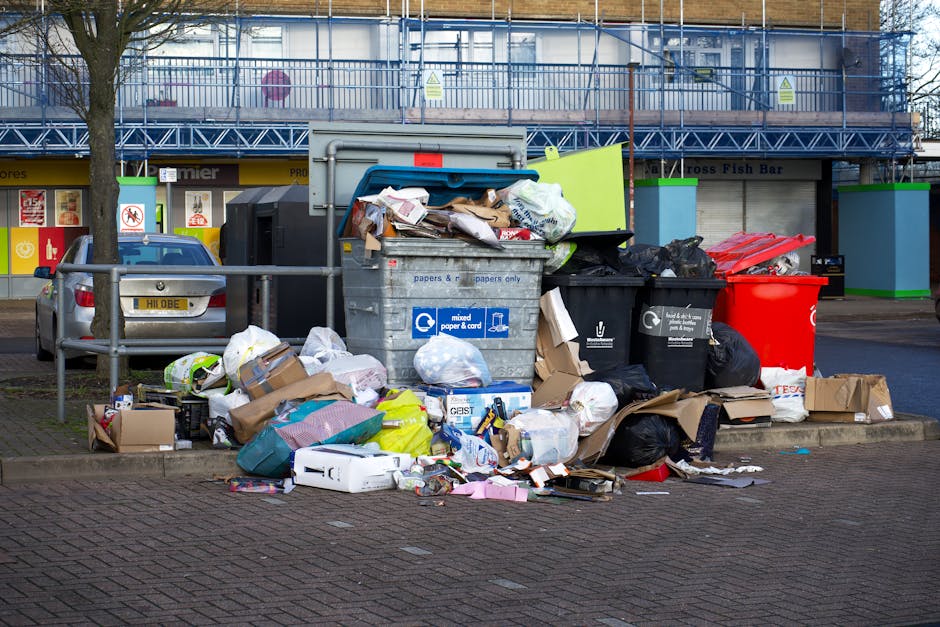
If you live near Abbey Road in NW8, rubbish has a habit of building up faster than you expect. A broken wardrobe in the hallway, a stack of flat-pack boxes by the bin store, a garden bag that missed collection, or the aftermath of a mini flat clear-out can all turn into a real nuisance. This guide to rubbish removal Abbey Road NW8 for homes and flats is here to make the process feel simple, sensible, and a lot less stressful.
Whether you are dealing with a compact apartment, a family house, a leasehold flat with tight access, or a property that just needs a proper clear-out, the right approach matters. You want clutter gone, the building kept tidy, and the work done without awkward delays. You also want to know what can be removed, how collection usually works, and what to check before booking. Let's face it, nobody wants to discover the lift is too small after the team has arrived.
This article walks you through the practical side of local waste clearance, including planning, pricing factors, access issues, disposal types, and the most common mistakes people make. It also covers helpful service choices for homes and flats, plus a few best-practice tips that can save time on the day.
- Why rubbish removal matters in Abbey Road NW8
- How the process works
- Key benefits and practical advantages
- Who this is for and when it makes sense
- Step-by-step guidance
- Expert tips for better results
- Common mistakes to avoid
- Tools, resources and recommendations
- Law, compliance, standards, and best practice
- Options and comparison table
- Case study or real-world example
- Practical checklist
- Conclusion
- Frequently asked questions
Why Rubbish removal Abbey Road NW8 guide for homes and flats Matters
Abbey Road and the wider NW8 area bring together a mix of mansion blocks, converted flats, terraces, and busy family homes. That mix creates very different rubbish removal needs. A ground-floor house with a side passage can be straightforward. A top-floor flat with a narrow staircase and strict building rules is another story entirely. Same postcode, very different day.
Rubbish removal matters because waste left too long becomes more than an eyesore. It can block communal corridors, attract complaints from neighbours, create safety hazards, and make the whole property feel harder to live in. In flats, that awkward bag of broken items by the bin area can also cause tension very quickly. People notice. Even if they pretend not to.
There is also a practical side. The longer unwanted items sit around, the more time you spend working around them. Clear space helps with cleaning, decorating, moving, letting a property, or simply getting your life back in order. If you are planning a bigger clear-out, the topic also connects naturally with broader services such as rubbish clearance in St John's Wood and house clearance support for local homes.
For many residents, the real value is not just disposal. It is peace of mind. You get the place back in shape without having to borrow a van, lift heavy furniture, or make repeated trips to a tip that may not even be convenient. Truth be told, that is worth a lot on a rainy London afternoon.
How Rubbish removal Abbey Road NW8 guide for homes and flats Works
Most rubbish removal in Abbey Road NW8 follows a fairly simple pattern, but the details matter. The collection team usually wants to understand what you have, where it is, and how accessible it is. From there, they can decide whether a same-day uplift, a planned collection, or a more specialist clearance is the best fit.
In homes, the work may involve items from a loft, garage, garden, spare room, or a full property clean-out. In flats, access is often the big factor. Stairs, shared entrances, lift restrictions, parking availability, and time windows all affect how smoothly the job runs. A few minutes of planning at the start can save a frustrating back-and-forth later.
The process often looks like this:
- You describe the rubbish, ideally with photos if requested.
- The collection is assessed by volume, item type, access, and labour involved.
- A suitable time slot is arranged, or a same-day window is offered if possible.
- The team arrives, confirms the load, and removes the waste safely.
- The rubbish is transported for sorting, reuse where appropriate, and responsible disposal.
That last part is easy to overlook. But sorting, recycling, and proper handling are a key part of good waste management. If sustainability matters to you, it is worth reading more about the company's recycling and sustainability approach before you book.
For some jobs, a simple collection is enough. For others, especially if you are clearing a property room by room, you may want a broader service that can handle mixed waste, unwanted furniture, and bulky items in one go. A flexible local option such as waste removal often makes the process easier than trying to manage everything separately.
Key Benefits and Practical Advantages
Good rubbish removal is about convenience, yes, but there are a few deeper advantages worth spelling out. The first is speed. In busy households, time is rarely generous. If you can get rid of clutter in one visit instead of dragging the task across several weekends, that changes the whole mood of the place.
The second is access. Flats in Abbey Road NW8 often have limited space near entrances, shared stairwells, and tight parking conditions. A professional collection cuts down on carrying, loading, and repeated trips. That matters even more if the waste includes furniture, appliances, or mixed heavy items.
The third is presentation. This is especially important if you are:
- preparing a property for sale or rental
- moving into a new flat and want a clean start
- clearing a family home after years of accumulated items
- refreshing a home office, loft, or garage
- managing post-renovation mess
There is also a quieter benefit: less mental clutter. A pile of old chairs or broken boxes can nag at you every time you walk past. Once it is gone, the room feels larger. Airier. Easier. That sounds simple, but it makes a real difference.
If your main concern is bulky furniture, it can help to look at a dedicated furniture disposal service. If your clear-out is more about mixed household waste, then junk removal may be the more natural fit. The best option is usually the one that matches the actual job, not just the label.
Who This Is For and When It Makes Sense
This guide is useful for a wide range of Abbey Road NW8 residents. You might be dealing with a one-off purge, a routine buildup of household waste, or a larger clearance after life has changed a bit. That happens. New baby, house move, renovation, inheritance, new tenancy, even just a long-overdue tidy. Things stack up.
It tends to make sense for:
- flat owners with limited storage space
- tenants who need to leave a property clear and tidy
- landlords preparing a rental for the next occupier
- families clearing lofts, garages, or spare rooms
- people replacing furniture or appliances
- homeowners handling garden cuttings, shed waste, or minor refurbishment debris
It is also useful if you are weighing up whether a skip is really practical. On narrow residential streets or around buildings with limited parking, a van-based collection can be easier than arranging street space for a skip. More on that later.
If you are currently comparing options, the broader services overview can help you sense which type of clearance fits your situation. Some people need a simple uplift. Others need something closer to a full property reset.
And if you are in the middle of a property move, don't underestimate how useful a proper clear-out can be. A helpful read on the wider area context is purchasing property in St John's Wood, which touches on the kind of practical planning people often forget during a move.
Step-by-Step Guidance
Here is the cleanest way to approach rubbish removal in Abbey Road NW8 without turning it into a mini project from hell.
1. Walk through the property slowly
Do not start by guessing. Walk room by room and look for items that are genuinely ready to go. Check cupboards, under beds, behind doors, on balconies, in loft spaces, and in storage corners. You will often find the same odd collection of things in every home: old lamps, broken fans, packaging, spare shelves, half-used paint tins, and one chair nobody admits owning.
2. Split items into practical groups
Group the waste by type: furniture, general household rubbish, garden waste, electrical items, renovation debris, or mixed junk. This helps with pricing and makes loading faster. It also makes you think twice about what should be reused, donated, or recycled rather than thrown away.
3. Check access before you book
For flats, this step matters a lot. Ask yourself: is there a lift? Are there stairs only? Is there a concierge desk? Do you need permission for vehicle access? Is parking likely to be tricky? A clear answer here helps the collection go smoothly. Nobody enjoys discovering a locked service gate at 8:00 a.m.
4. Ask what can be removed
Most general clearance services handle mixed rubbish, furniture, and everyday clutter. But some items may need special handling. If you have a lot of builders' debris, it may be better to look at builders waste clearance. If the main job is a garden tidy-up, then a dedicated garden waste removal service may be a better match.
5. Get a clear quote
Good quotes are usually based on volume, labour, access, and disposal type. Be honest about what is there. If you understate the job, the day becomes awkward. If you overstate it, you may pay for more than you need. Simple, but easy to get wrong. You can explore the company's pricing and quotes page for the type of information that should be available before booking.
6. Prepare the space before collection day
Move smaller items into one area if you can. Keep corridors clear. Make sure entry codes, keys, and parking notes are ready. In a flat, it helps if you warn neighbours or concierge staff in advance. That small bit of courtesy avoids the usual "who is blocking the hall?" moment.
7. Stay available during collection
On the day, being available helps the team confirm what is going and what is staying. You may also need to make quick decisions if they find items that are heavier or more awkward than expected. A five-minute conversation can save twenty minutes of confusion.
Expert Tips for Better Results
After seeing plenty of homes and flats cleared, a few patterns stand out. The first is that the best results usually come from preparation, not force. If the team can walk in, identify the load, and get to work, the job feels almost effortless. Almost. There is still furniture involved, after all.
Here are a few practical tips that really help:
- Photograph the items beforehand. This is especially useful for mixed loads and bulky furniture.
- Be precise about access. A narrow staircase or basement route changes the labour involved.
- Keep hazardous items separate. Paints, chemicals, sharps, and similar materials often need special handling.
- Choose the right service for the job. A full property clear-out is not the same as collecting a few bagged items.
- Plan around building schedules. In flats, service lifts, loading bays, and concierge hours can affect timing.
Another smart move is to think about the future use of the space. If you are clearing a loft, it may be worth combining the job with a more focused loft clearance. If your garage has quietly become a storage cave, a garage clearance can remove a surprising amount in one go.
And do not ignore timing. Early morning collections can be easier in some buildings because corridors are quieter. Later appointments may be better if you need access from a busy household. Small thing, but it matters.
Common Mistakes to Avoid
People usually do not make rubbish removal harder on purpose. They just underestimate the details. That is fair enough. But a few mistakes come up again and again.
- Not measuring bulky items. A sofa that looks manageable in a room can become a problem on a stair turn.
- Forgetting building restrictions. Some flats have lift booking rules or limited access times.
- Mixing everything together. It is harder to sort and may affect the quote.
- Leaving the job until the last minute. Rushed bookings can narrow your options.
- Assuming every item is standard rubbish. Electricals, metals, and certain bulky items often need different handling.
- Not checking disposal standards. Good operators should be clear about where waste goes and how it is managed.
A small but important one: don't block communal areas while you sort through everything. In a flat, that can cause tension fast, especially if the lift lobby is already busy. Keep the pile neat and temporary. Neat and temporary. It sounds obvious, but you'd be surprised.
Tools, Resources and Recommendations
You do not need a toolkit the size of a builder's van to prepare for rubbish removal, but a few basic items make life easier. Gloves help. Strong bin bags help. A tape measure helps more than people expect, especially for beds, wardrobes, sofas, and other awkward shapes. A torch is handy for lofts and storage rooms where the light is not exactly generous.
For planning, these resources on the same site can be helpful:
- rubbish collection for smaller, straightforward uplifts
- furniture disposal for bulky household items
- house clearance for bigger domestic projects
- skip hire if you are comparing methods for ongoing waste generation
For trust signals and service confidence, it is also sensible to review insurance and safety information before agreeing to a collection, especially if heavy lifting or tight access is involved. That is one of those pages people often skip, then regret later.
If you want to understand the business background a little better, the about us page can help. And if you prefer to see how the service is structured before making a decision, the services overview gives a broad picture without making things complicated.
Law, Compliance, Standards, or Best Practice
For rubbish removal in the UK, the most important thing is responsible handling. You do not need to become a waste expert, but it helps to understand the basics. Household rubbish should be removed and transported in a way that supports lawful disposal, safe handling, and proper sorting where possible. In practice, that means using a provider that treats waste seriously rather than just treating it as "stuff to disappear."
For homes and flats, a few best-practice points stand out:
- Do not leave waste in communal fire exits, stairwells, or access routes.
- Separate hazardous or specialist items early.
- Choose insured operators where lifting or building access is involved.
- Check whether your building has any collection restrictions.
- Ask how reusable or recyclable items are handled.
If you are managing a flat, leasehold property, or managed block, building rules may also apply. These are not legal niceties; they are the difference between a tidy collection and a neighbour complaint. In some places, you may need to book service access or avoid certain hours. Best to check, then check again.
You may also want to read practical company policies such as terms and conditions, privacy policy, payment and security, and the accessibility statement if you need clarity on how the service is run. Those details are not glamorous, admittedly, but they do build confidence.
Options, Methods, or Comparison Table
There are usually three main ways to deal with unwanted items around Abbey Road NW8: a direct rubbish collection, a skip, or a fuller clearance service. The best option depends on access, timing, waste volume, and how much lifting you want to do yourself.
| Option | Best for | Pros | Things to watch |
|---|---|---|---|
| Rubbish collection | Small to medium loads, quick turnaround | Fast, flexible, minimal disruption | May not suit ongoing or very large volumes |
| Skip hire | Projects producing waste over time | Useful for DIY or phased clear-outs | Needs space, permissions, and self-loading |
| House or flat clearance | Whole rooms, estates, moves, or major decluttering | More comprehensive, less work for you | Needs accurate planning and access details |
For many Abbey Road flats, the direct collection route is the easiest. A skip can be sensible if you are doing a longer project and have the access. A clearance service is the best fit when the job is more like "please make this room usable again."
If you are not sure, start by thinking about who will be doing the physical work. If the answer is "not me, ideally," then a professional collection is probably the cleaner choice.
Case Study or Real-World Example
A typical Abbey Road NW8 situation goes something like this. A couple in a second-floor flat had accumulated a broken chest of drawers, two office chairs, old luggage, packaging from a recent delivery spree, and a few bags of general clutter that had slowly taken over the spare room. Nothing dramatic. Just one of those rooms where everything got placed "for now" and then stayed there for six months.
They first considered a skip, but parking and access made that awkward. The building had a busy entrance and no convenient place to leave a skip without causing bother. So they chose a direct collection instead. They photographed the items, checked the lift dimensions, and confirmed the best time window with the building manager.
On collection day, the team could get straight to work because the items were grouped by type and already near the entrance. The job moved quickly, the flat felt noticeably bigger afterward, and the couple got the room back for a proper desk and storage. That was the whole point, really.
The key lesson was simple: in flats, planning access matters just as much as the rubbish itself. In homes, it is often about volume. In flats, it is volume plus logistics. That little difference changes everything.

Practical Checklist
Use this before booking or collection day. It keeps things calm.
- Walk through the property and list everything that needs removing
- Separate furniture, general rubbish, garden waste, and special items
- Measure bulky items and note tight corners or stairs
- Check lift access, parking, entry codes, and booking restrictions
- Take photos of the load if you need a quote
- Decide whether a standard collection, clearance service, or skip is the better fit
- Keep communal areas clear and inform building staff if needed
- Set aside hazardous items for separate advice
- Confirm the time window and what happens if access changes
- Review the company's pricing, safety, and payment information before you go ahead
If you are clearing a home after a move, renovation, or family change, this checklist can save you from the usual last-minute scramble. Small list, big difference.
Get a free quote today and see how much you can save.
Conclusion
Rubbish removal in Abbey Road NW8 does not need to feel complicated. Once you understand the type of property you have, the access you are dealing with, and the kind of waste you want removed, the rest becomes much easier to manage. Homes tend to be about volume and convenience; flats are often about access and coordination. Both need a bit of planning, but neither needs to become a headache.
If there is one takeaway, it is this: the best rubbish removal is the one that fits the space as well as the waste. Choose the right service, prepare properly, and be realistic about the logistics. That is how you get a cleaner property without unnecessary hassle. And honestly, there is something quietly satisfying about looking at a cleared room and hearing your own footsteps again.
When you are ready, a well-planned collection can give your home or flat a fresh start, and that fresh start feels good.


 Tipper Van - Rubbish Removal and Waste Disposal Prices in St. John’s Wood, NW8
 Luton Van - Rubbish Removal and Waste Disposal Prices in St. John’s Wood, NW8